
UKPSC Biology (Unit 10): Miscellaneous Biology, Biotechnology & Applied Life Sciences
Part of the UKPSC General Science & Technology Revision Series.
1. High-Yield Micro-Notes
- Microbial Thermal Classes & Food Technology: Microorganisms are classified by thermal tolerance: Psychrophiles grow best in the range of 0 °C to 15 °C (and below 0 °C, driving spoilage in domestic refrigerators); Mesophiles thrive in the physiological range of 15 °C to 49 °C (optimum ≈ 25–40 °C); Thermophiles proliferate above 50 °C. Food-grade packaging cans are manufactured by electroplating steel with Tin (Sn) instead of Zinc (Zn) because tin is far less reactive and resists organic food acids, whereas zinc reacts with food acids to form toxic zinc salts that cause chemical poisoning. Traditional bread-making previously used potassium bromate (KVO₃/KBrO₃) as an oxidizing dough conditioner, now restricted or banned due to suspected thyroid and carcinogenic toxicity.
- Biotechnology, Transgenics & Recombinant Milestones: Georges Köhler and César Milstein developed the hybridoma technique in 1975 to biosynthesize immortalized monoclonal antibodies (1984 Nobel Prize). Human insulin (Humulin), developed by Genentech and commercially launched by Eli Lilly in 1983, was the first therapeutic human protein produced via recombinant DNA technology. The first transgenic plant was Tobacco (1983), genetically modified via Agrobacterium-mediated transformation. Bt Brinjal incorporates the cry1Ac gene from Bacillus thuringiensis to resist the shoot and fruit borer (Leucinodes orbonalis). Working draft sequencing of the Human Genome Project was published in 2001 (by the public International Human Genome Sequencing Consortium alongside Celera Genomics).
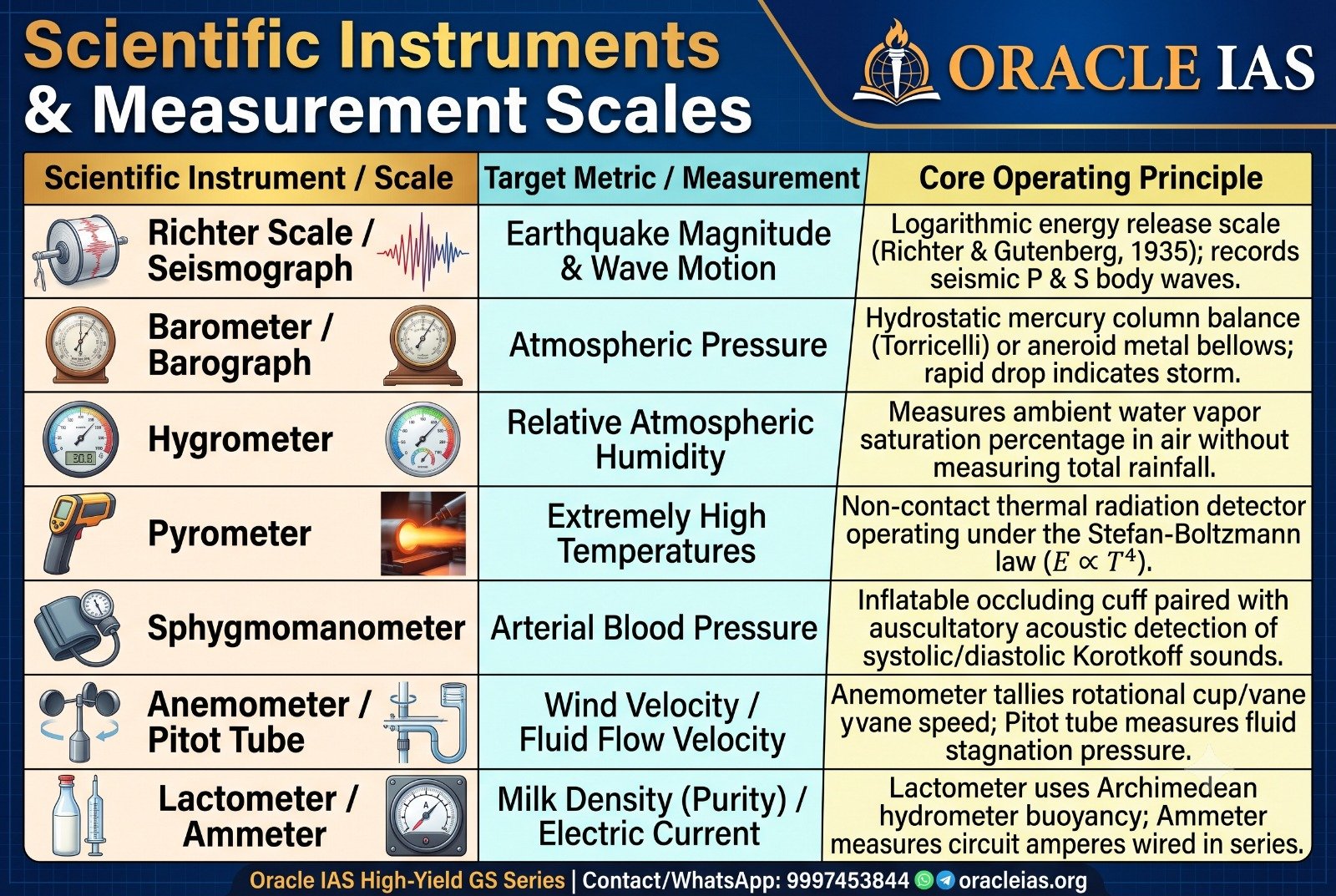
- Macromolecular Architecture, Hematology & Anatomy: The outer protective protein capsid of a virus is assembled from modular protein subunits called capsomeres. Enzymes are globular proteins composed of folded polypeptide chains. DNA contains four nitrogenous bases: Adenine (A), Guanine (G), Cytosine (C), and Thymine (T); Uracil (U) is unique to RNA. Human arterial blood pressure is measured as gauge pressure (above atmospheric pressure), reading 120/80 mm Hg higher than atmospheric pressure, which causes blood to squirt outward upon arterial rupture. The human respiratory system has 5 total pulmonary lobes (3 in the right lung and 2 in the left lung). The spleen functions as the “Graveyard of RBCs”, filtering senescent red cells via splenic cord macrophages. ABO blood groups were discovered in 1901 by Karl Landsteiner; Rh-factor (D-antigen) is inherited as a dominant Mendelian trait.
- Applied Zoology, Sericulture & Bio-Resources: In the silkworm (Bombyx mori), commercial silk fibers (fibroin core coated with sericin gum) are secreted by labial salivary silk glands during the late larval stage to spin the pupal cocoon. The Sarus Crane (Antigone antigone) is the world’s tallest flying bird, standing up to 156 cm; in contrast, the Ostrich, Emu, and Kiwi are flightless ratites. White Leghorn is a prolific egg-laying poultry chicken breed originating from Tuscany, Italy. Morphine is a benzylisoquinoline plant alkaloid extracted from the latex of the opium poppy (Papaver somniferum); diacetylation of morphine synthesizes the semi-synthetic narcotic heroin (diamorphine).
- Applied Botany, Physiology & Institutes: The aquatic fern Azolla hosts the nitrogen-fixing cyanobacterium Anabaena azollae, serving as a renewable biofertilizer for wet paddy fields. Sweating cools the body because cutaneous moisture evaporation is an endothermic thermodynamic process that absorbs latent heat of vaporization from the skin. Pregnancy test kits detect the placental hormone Human Chorionic Gonadotropin (hCG) in maternal urine. Betadine is an antiseptic topical microbicide containing povidone-iodine. The world’s largest individual flower is the parasitic Rafflesia arnoldii. Key national botanical and research institutions: National Botanical Research Institute (NBRI) and the Birbal Sahni Institute of Palaeosciences (BSIP) are located in Lucknow, Uttar Pradesh; the cooperative dairy movement Amul (Kaira District Co-operative Milk Producers’ Union) was established in Anand, Gujarat; India’s first successful human heart transplant was performed at AIIMS New Delhi by cardiac surgeon Dr. P. Venugopal in July 1994.
2. Important facts you should know:
| Biological / Medical Entity | Structural / Taxonomic Identity | Physiological / Practical Role |
| Psychrophiles | Extremophilic bacteria/fungi (0–15 °C) | Responsible for microbial food spoilage inside domestic refrigerators. |
| Hybridoma Technology | B-cell fused with Myeloma tumor cell | Continuous in vitro synthesis of Monoclonal Antibodies (Köhler & Milstein, 1975). |
| Recombinant Insulin (Humulin) | 51-amino-acid polypeptide (A & B chains) | First rDNA pharmaceutical launched commercially (Eli Lilly, 1983). |
| Viral Capsid | Proteinaceous outer shell of capsomeres | Shields viral viral genome; mediates host cell binding and entry. |
| Spleen | Secondary lymphoid reticuloendothelial organ | “Graveyard of RBCs”; recycles iron and stores platelets. |
| Azolla – Anabaena | Symbiotic aquatic pteridophyte-cyanobacteria | Biofertilizer fixing atmospheric nitrogen in flooded lowland rice paddies. |
| Human Papillomavirus (HPV) | Non-enveloped double-stranded DNA virus | Primary viral oncogenic etiology of female cervical carcinoma. |
| hCG (Human Chorionic Gonadotropin) | Syncytiotrophoblast glycoprotein hormone | Biomarker in maternal urine for early clinical pregnancy test kits. |
| Povidone-Iodine (Betadine) | Broad-spectrum topical antiseptic complex | Releases elemental iodine to denature microbial proteins and enzymes. |
| Rafflesia arnoldii | Endoparasitic flowering plant (Rafflesiaceae) | Produces the world’s largest solitary flower (diameter up to 1 meter). |
3. Master Questions
Q1. Microorganisms that grow and metabolize optimally in cold environments between 0 °C and 15 °C are classified as:
[UKPSC Pre 2024] [Direct Fact]
(a) Thermophiles
(b) Psychrophiles
(c) Hydrophiles
(d) Mesophiles
Q2. The breakthrough hybridoma methodology used to manufacture immortalized monoclonal antibody clones was developed in 1975 by:
[UKPSC Pre 2024] [Direct Fact]
(a) Louis Pasteur
(b) Georges Köhler and César Milstein
(c) Edward Jenner
(d) Sir Frank Macfarlane Burnet
Q3. Commercial food preservation cans are manufactured by electroplating steel sheets with metallic Tin rather than Zinc because:
[UKPSC Pre 2024] [Direct Fact]
(a) Zinc is commercially more expensive than Tin
(b) The thermal melting point of Zinc is higher than Tin
(c) Zinc is chemically more electropositive and reactive than Tin, risking acidic food poisoning
(d) Zinc is less chemically reactive than Tin
Q4. Which of the following pathogen-disease or technological pairs is NOT correctly matched?
[UKPSC Pre 2012] [Direct Fact]
(a) Ebola Virus – Variola Smallpox
(b) Biometric identification – Digital Fingerprints and Iris scanning
(c) Somatic Cloning – Exact genetic replica
(d) DNA Fingerprinting – Paternity verification and forensic identification
Q5. The protective outer structural coat of a viral particle, assembled from proteinaceous capsomere subunits, is the:
[UKPSC APS Mains 2017] [Direct Fact]
(a) Capsid
(b) Envelope
(c) Virion
(d) Viroid
Q6. From a molecular and biochemical perspective, all biological enzymes are fundamentally:
[UKPSC Pre 2002-03 | UKPSC Mains 2002-03] [Direct Fact]
(a) Neutral Triglyceride Fats
(b) Polyhydroxy Aldehyde Sugars
(c) Globular Polypeptide Proteins
(d) Fat-soluble Vitamins
Q7. Fecal contamination in food products, serving as a primary indicator of improper hygiene and bacterial food poisoning, is tracked by detecting:
[UKPSC Pre 2004-05] [Direct Fact]
(a) Escherichia coli and coliform bacteria
(b) Salmonella bacillus
(c) Pseudomonas aeruginosa
(d) Candida albicans
Q8. The ABO human erythrocyte surface agglutinogen blood grouping system was discovered in 1901 by:
[UKPSC Pre 2006-07] [Direct Fact]
(a) Karl Landsteiner
(b) William Harvey
(c) Robert Koch
(d) Louis Pasteur
Q9. ‘White Leghorn’, recognized globally for its high commercial egg production, is a breed of:
[UKPSC Mains 2002-03] [Direct Fact]
(a) Aviary Parrots
(b) Peacocks
(c) Domestic Chicken (Hen)
(d) Barn Owls
Q10. In mammalian infant gastric digestion, which enzyme coagulates soluble liquid milk casein into insoluble calcium paracaseinate?
[UKPSC UDA/LDA Pre 2003] [Direct Fact]
(a) Gastric Pepsin
(b) Pancreatic Trypsin
(c) Rennin (Chymosin)
(d) Intestinal Erepsin
Q11. Which of the following avian species is an active flyer and is NOT classified as a flightless ratite bird?
[UKPSC RO/ARO Pre 2021] [Direct Fact]
(a) New Zealand Kiwi
(b) Australian Emu
(c) African Ostrich
(d) Sarus Crane
Q12. Penicillin, the first widely used beta-lactam antibacterial compound, is classified as a/an:
[UKPSC RO/ARO Pre 2022] [Direct Fact]
(a) Essential Vitamin
(b) Peptide Hormone
(c) Antibiotic
(d) Centrally-acting Analgesic
Q13. The potent clinical analgesic Morphine, isolated from the resin of Papaver somniferum, is chemically a/an:
[UKPSC RO/ARO Pre 2022] [Direct Fact]
(a) Terpene hydrocarbon
(b) Plant Flavonoid
(c) Polycyclic Steroid
(d) Plant Alkaloid
Q14. Which mineral salt is found in the highest ionic concentration in natural marine seawater?
[UKPSC APS Mains 2017] [Direct Fact]
(a) Calcium Chloride
(b) Sodium Chloride (NaCl)
(c) Potassium Chloride
(d) Potassium Permanganate
Q15. The physiological cooling of the human body achieved by the evaporation of cutaneous sweat droplets operates as a/an:
[UKPSC Pre 2011] [Direct Fact]
(a) Exothermic reaction
(b) Endothermic physical process
(c) Pure chemical synthesis
(d) Saline precipitation reaction
Q16. The arterial blood pressure recorded inside the systemic vascular circulation of a living human body is:
[UKPSC Mains 2006] [Direct Fact]
(a) Lower than atmospheric ambient air pressure
(b) Greater than atmospheric ambient air pressure
(c) Exactly identical to ambient barometric pressure
(d) Independent of vascular resistance
Q17. The mature seeds of the cultivated sunflower (Helianthus annuus) are economically harvested for their:
[UKPSC RO/ARO Pre 2016] [Direct Fact]
(a) Toxic isoquinoline alkaloids
(b) Edible vegetable polyunsaturated oils
(c) Industrial textile vat dyes
(d) Calcium oxalate crystals
Q18. In classical human transmission genetics, which of the following erythrocyte antigens displays dominant Mendelian inheritance?
[UKPSC RO/ARO Pre 2016] [Direct Fact]
(a) Oculocutaneous Albinism
(b) Rhesus (Rh) D-factor antigen
(c) Red-green Color Blindness
(d) Classic Hemophilia A
Q19. Anatomically, the pair of healthy adult human lungs is divided by interlobar fissures into how many total lobes?
[UKPSC RO/ARO Pre 2016] [Direct Fact]
(a) 2 lobes
(b) 3 lobes
(c) 4 lobes
(d) 5 lobes
Q20. Which reticuloendothelial lymphoid organ is termed the “Graveyard of RBCs” because it destroys and recycles senescent red blood cells?
[UKPSC RO/ARO Mains 2016] [Direct Fact]
(a) Hepatic Lobule of Liver
(b) Spleen
(c) Red Bone Marrow
(d) Intestinal Peyer’s Patch
Q21. Which aquatic pteridophyte fern, living in symbiosis with anabaena cyanobacteria, is used as a biofertilizer in flooded lowland paddy crops?
[UKPCS Lower Pre 2010] [Direct Fact]
(a) Crushed Neem cake
(b) Azolla pinnata
(c) Synthetic Urea
(d) Muriate of Potash
Q22. In commercial sericulture, caterpillars of the domestic silkworm (Bombyx mori) feed exclusively on the foliage of:
[UKPCS Lower Pre 2010] [Direct Fact]
(a) Sapindus mukorossi (Soapnut/Reetha)
(b) Ficus religiosa (Peepal)
(c) Prunus persica (Peach)
(d) Morus alba (Mulberry)
Q23. The historic Scottish microbiologist Sir Alexander Fleming is celebrated for the 1928 discovery of:
[UKPCS Lower Pre 2010] [Direct Fact]
(a) Radium isolation
(b) Penicillin
(c) Smallpox cowpox vaccine
(d) Ether clinical anesthesia
Q24. ‘Bt Brinjal’ is an agricultural crop variety bioengineered to express:
[UKPCS Lower Pre 2010] [Direct Fact]
(a) High-temperature drought-resistant alleles
(b) Recombinant Bacillus thuringiensis crystal endotoxin genes for pest resistance
(c) Wild uncultivated solanaceous cross-hybrids
(d) Synthetic polyploid mutations
Q25. Which industrial chemical flour improver, previously utilized in commercial bread manufacturing, has been restricted due to potential thyroid disruption and oncogenic risks?
[UKPCS Lower Pre 2016] [Direct Fact]
(a) Ethyl Bromate
(b) Potassium Bromate (KBrO₃)
(c) Calcium Carbonate
(d) Methyl Chloride
Q26. The initial working draft sequencing of the complete Human Genome was completed and published in:
[UKPCS Lower Pre 2016] [Direct Fact]
(a) 1995 AD
(b) 2001 AD
(c) 2010 AD
(d) 2015 AD
Q27. Deoxyribonucleic Acid (DNA) contains all of the following heterocyclic nitrogenous bases EXCEPT:
[UKPCS Lower Pre 2016] [Direct Fact]
(a) Guanine
(b) Adenine
(c) Uracil
(d) Cytosine
Q28. The narcotic opioid drug Heroin (diacetylmorphine) is synthesized semi-synthetically from raw extracts harvested from the:
[UKPSC Forest Ranger Pre 2012] [Direct Fact]
(a) Hemp plant (Cannabis)
(b) Ephedra sinica
(c) Opium Poppy (Papaver somniferum)
(d) Wild Rose
Q29. In the developmental life cycle of the mulberry silkworm, the proteinaceous silk filament is spun during the:
[UKPSC Forest Ranger Pre 2012] [Direct Fact]
(a) Oviparous Egg stage
(b) Cocoon-spinning Pupa / Mature Larval stage
(c) Early feeding Instar Larva
(d) Imago Adult moth stage
Q30. The world’s first genetically engineered transgenic plant produced in laboratory plant biotechnology was:
[UKPSC FRO/ACF Pre 2019] [Direct Fact]
(a) Field Maize
(b) Golden Rice
(c) Transgenic Tobacco
(d) Bt Cotton
Q31. During acute systemic allergic responses and anaphylaxis, mast cells and basophils degranulate to release which vasoactive amine?
[UKPSC Combined SES 2021] [Direct Fact]
(a) Heptane
(b) Histamine
(c) Heparin
(d) Sulfuric acid
Q32. The biological discipline centered on the microscopic anatomical study of animal and plant tissues is designated as:
[UKPSC AE 2012] [Direct Fact]
(a) Histology
(b) Dactylography
(c) Clinical Cardiology
(d) Dendrochronology
Q33. Cervical carcinoma in women is etiologically linked to chronic oncogenic mucosal infection by:
[UKPSC Polytechnic Lecturer 2015-16] [Direct Fact]
(a) Synthetic Central Nervous System stimulants
(b) Diets high in saturated fatty acids
(c) Epstein-Barr Virus (EBV)
(d) High-risk strains of Human Papillomavirus (HPV)
Q34. The first human peptide hormone manufactured on an industrial scale using recombinant DNA technology, launched in 1983 as ‘Humulin’, was:
[UKPSC Polytechnic Lecturer 2015-16 | UKPSC Pre 2024] [Direct Fact]
(a) Recombinant Human Estrogen
(b) Recombinant Testosterone
(c) Recombinant Human Insulin
(d) Recombinant Thyroxine
Q35. Which of the following biochemical messengers is an endogenous plant hormone (phytohormone) that regulates cytokinesis and cell division?
[UKPSC Revenue Inspector 2023] [Direct Fact]
(a) Insulin
(b) Thyroxine
(c) Estrogen
(d) Cytokinin
Q36. Standard home and clinical urine immunoassay test kits detect which hormone to confirm early pregnancy?
[UKPSC AE 2013] [Direct Fact]
(a) Somatotropic Growth Hormone
(b) Testosterone
(c) Human Chorionic Gonadotropin (hCG)
(d) Relaxin
Q37. ‘Betadine’, a topical antimicrobial antiseptic applied to burns and lacerations, contains an iodophor complex of:
[UKPSC AE 2013] [Direct Fact]
(a) Formaldehyde solution
(b) Hydrogen Peroxide
(c) Elemental Povidone-Iodine
(d) Denatured Isopropyl Alcohol
Q38. The National Botanical Research Institute (NBRI), a constituent research laboratory of the CSIR, is located at:
[UKPSC AE 2013] [Direct Fact]
(a) Lucknow, Uttar Pradesh
(b) New Delhi
(c) Kolkata, West Bengal
(d) Mumbai, Maharashtra
Q39. The thermal environmental range in which mesophilic microorganisms grow and divide most rapidly is:
[UKPSC Vyawasthapak 2021] [Direct Fact]
(a) 0 °C to 10 °C
(b) 15 °C to 49 °C
(c) 60 °C to 79 °C
(d) 80 °C to 99 °C
Q40. The Indian central governmental agency abbreviated as ‘NACO’, operating under the Ministry of Health and Family Welfare, stands for:
[UKPSC J 2006] [Direct Fact]
(a) National AIDS Care Office
(b) National AIDS Control Organisation
(c) Non-AIDS Control Organisation
(d) National Anti-Cancer Office
Q41. The first cardiac surgical specialist to perform a successful human heart transplantation in India (AIIMS New Delhi, 1994) was:
[UKPSC AE 2007] [Direct Fact]
(a) Dr. M. S. Valiathan
(b) Dr. P. Venugopal
(c) Dr. R. Kesavan Nair
(d) Dr. P. K. Sen
Q42. The Birbal Sahni Institute of Palaeosciences (formerly Birbal Sahni Institute of Palaeobotany) is situated in:
[UKPSC AE 2007] [Direct Fact]
(a) New Delhi
(b) Lucknow
(c) Kolkata
(d) Bengaluru
Q43. The largest individual solitary flower in the plant kingdom, reaching up to 1 meter in diameter and emitting a rotting carrion scent, is:
[UKPSC AE 2007] [Direct Fact]
(a) Giant Saguaro Cactus flower
(b) Sacred Indian Lotus
(c) Rafflesia arnoldii
(d) Amorphophallus titanum
Q44. The historic cooperative dairy foundation ‘Anand Dairy’ (AMUL) was established in which Indian state?
[UKPSC AE 2007] [Direct Fact]
(a) Haryana
(b) Punjab
(c) Gujarat
(d) Uttar Pradesh
Master Explanations & Answer Key
- Ans. (b)
- Direct Answer: Psychrophiles (cryophiles) are extremophilic microorganisms with optimal growth temperatures between 0 °C and 15 °C, remaining capable of surviving at sub-zero temperatures.
- Exam Trap / Distractor Alert: Mesophiles thrive between 15 °C and 49 °C (including human pathogens at 37 °C); Thermophiles thrive between 50 °C and 80 °C; Psychrophiles are responsible for low-temperature food spoilage in refrigerators.
- High-Yield Extra Facts: Psychrophiles maintain membrane fluidity in freezing conditions through high concentrations of unsaturated, polyunsaturated, and branched-chain fatty acids in their lipid bilayers.
- Ans. (b)
- Direct Answer: German immunologist Georges Köhler and Argentine biochemist César Milstein established hybridoma technology in 1975 by fusing antibody-producing B-lymphocytes with immortal myeloma cells, earning the 1984 Nobel Prize.
- Exam Trap / Distractor Alert: Edward Jenner pioneered smallpox vaccination (1796); Louis Pasteur developed pasteurization and rabies rabies vaccines; Köhler and Milstein created monoclonal antibody synthesis.
- High-Yield Extra Facts: Monoclonal antibodies (mAbs) target a single specific epitope with high affinity; they are widely used in cancer therapeutics, autoimmune disease treatments, and diagnostic testing.
- Ans. (c)
- Direct Answer: Food cans are electroplated with tin because zinc is chemically more reactive than tin ($Zn > Sn$ in the electrochemical series); zinc reacts with acidic foods to form toxic zinc salts that cause metal poisoning.
- Exam Trap / Distractor Alert: Tin plating provides a stable, unreactive barrier; galvanized zinc-coated metal is used for structural roofing sheets and outdoor buckets, but is prohibited for food storage.
- High-Yield Extra Facts: If the protective tin layer on steel is scratched, iron corrodes faster because tin is less electropositive than iron; in zinc galvanization, zinc provides sacrificial cathodic protection to the underlying iron.
- Ans. (a)
- Direct Answer: Ebola virus causes Ebola Hemorrhagic Fever (Filoviridae), whereas Smallpox was caused by the Variola virus (Poxviridae); the two pathogens are completely unrelated.
- Exam Trap / Distractor Alert: DNA fingerprinting is widely used in forensic paternity analysis; biometrics uses physiological patterns like irises and fingerprints; cloning produces genetically identical replicas.
- High-Yield Extra Facts: Smallpox was officially declared eradicated globally by the World Health Organization (WHO) in 1980 following a targeted vaccination campaign using the vaccinia virus.
- Ans. (a)
- Direct Answer: The viral capsid is the protective protein shell enclosing the core viral genome (DNA or RNA), assembled from repeating protein subunits known as capsomeres.
- Exam Trap / Distractor Alert: A virion is an entire complete infectious viral particle; a viroid is a plant pathogen consisting solely of naked circular RNA without any protein coat.
- High-Yield Extra Facts: Capsids generally exhibit either icosahedral (polyhedral) or helical symmetry; enveloped viruses derive an outer lipid membrane from the host cell membrane as they bud out.
- Ans. (c)
- Direct Answer: Nearly all biological enzymes are globular proteins composed of linear amino acid chains folded into specialized three-dimensional conformations featuring active catalytic binding pockets.
- Exam Trap / Distractor Alert: Enzymes are not fats or sugars; catalytic RNAs (ribozymes) are non-protein RNA exceptions, but standard biological enzymes are proteins.
- High-Yield Extra Facts: The protein component of an enzyme is the apoenzyme; when joined with a non-protein cofactor or coenzyme, it forms the catalytically active holoenzyme.
- Ans. (a)
- Direct Answer: Escherichia coli and related fecal coliform bacteria are classic microbiological indicators of fecal contamination and unhygienic handling in drinking water and food supplies.
- Exam Trap / Distractor Alert: While Salmonella and Clostridium botulinum also cause severe food poisoning, E. coli serves as the standard regulatory indicator bacterium for fecal contamination.
- High-Yield Extra Facts: Enterohemorrhagic strains like E. coli O157:H7 produce Shiga-like toxins that cause severe bloody diarrhea and Hemolytic Uremic Syndrome (HUS).
- Ans. (a)
- Direct Answer: Austrian physician Karl Landsteiner discovered the human ABO blood group system in 1901 by cross-mixing red blood cells and sera from laboratory colleagues, identifying agglutinins and receiving the 1930 Nobel Prize.
- Exam Trap / Distractor Alert: William Harvey discovered systemic blood circulation (1628); Robert Koch discovered the anthrax and tuberculosis bacilli; Landsteiner discovered the ABO blood groups.
- High-Yield Extra Facts: Landsteiner identified blood groups A, B, and O; groups AB was identified in 1902 by his colleagues Adriano Sturli and Alfred von Decastello.
- Ans. (c)
- Direct Answer: White Leghorn is an Italian poultry breed of domestic chicken (Gallus gallus domesticus) originating from central Italy, widely used in commercial egg laying.
- Exam Trap / Distractor Alert: Leghorns are chickens, not wild avian species like parrots or peacocks; they typically lay 280 to 320 white eggs annually.
- High-Yield Extra Facts: Other notable poultry breeds include the indigenous Kadaknath (known for black meat due to fibromelanosis) and Rhode Island Red (a dual-purpose meat and brown-egg breed).
- Ans. (c)
- Direct Answer: Rennin (chymosin) is a gastric endopeptidase secreted by stomach chief cells in human and mammalian infants that curdles liquid milk by converting soluble casein into insoluble calcium paracaseinate.
- Exam Trap / Distractor Alert: Pepsin digests broad dietary proteins in the acidic stomach; trypsin acts in the alkaline duodenum; Rennin specifically curdles infant milk to slow gastric emptying for nutrient absorption.
- High-Yield Extra Facts: Commercially, rennet extracted from calf stomachs (or recombinant chymosin produced by GM fungi) is used in the cheese industry to coagulate milk curd.
- Ans. (d)
- Direct Answer: The Sarus Crane (Antigone antigone) is a flying crane species and the world’s tallest flying bird, standing up to 1.5 to 1.6 meters tall with a wingspan of 2.4 meters.
- Exam Trap / Distractor Alert: Ostrich (Africa), Emu (Australia), and Kiwi (New Zealand) are ratites—flightless birds with flat, unkeeled breastbones lacking attachment points for flight muscles.
- High-Yield Extra Facts: The Sarus Crane is the official State Bird of Uttar Pradesh; it mates for life and holds cultural symbolic importance as a model of fidelity.
- Ans. (c)
- Direct Answer: Penicillin is a natural beta-lactam antibacterial antibiotic that inhibits bacterial peptidoglycan cell-wall synthesis, discovered by Alexander Fleming in 1928 from the mold Penicillium notatum.
- Exam Trap / Distractor Alert: Penicillin is not a vitamin, hormone, or analgesic; it treats Gram-positive bacterial infections like streptococcal and staphylococcal strains.
- High-Yield Extra Facts: Beta-lactamase (penicillinase) is an enzyme produced by penicillin-resistant bacteria that hydrolyzes the core beta-lactam ring of the antibiotic.
- Ans. (d)
- Direct Answer: Morphine is a naturally occurring benzylisoquinoline plant alkaloid extracted from the milky dried latex of unripe seed capsules of the opium poppy (Papaver somniferum).
- Exam Trap / Distractor Alert: Morphine is an alkaloid (a basic, nitrogen-containing plant secondary metabolite), not a steroid or terpene.
- High-Yield Extra Facts: Morphine binds to mu-opioid receptors in the central nervous system to relieve severe pain; its derivative codeine is used as a cough suppressant.
- Ans. (b)
- Direct Answer: Sodium Chloride (NaCl) is the most abundant dissolved mineral salt in open marine seawater, accounting for approximately 77.8% of total dissolved marine salts.
- Exam Trap / Distractor Alert: Seawater salinity averages roughly 35 parts per thousand (3.5%); following sodium chloride, the next most abundant salts are Magnesium Chloride (MgCl₂, ~10.9%) and Magnesium Sulfate (MgSO₄, ~4.7%).
- High-Yield Extra Facts: Oceanic saltiness originates from chemical continental bedrock weathering carried via rivers along with submarine hydrothermal venting.
- Ans. (b)
- Direct Answer: Cutaneous evaporation of sweat is an endothermic physical process in which liquid water absorbs its latent heat of vaporization (≈ 2.4 × 10⁶ J/kg at skin temperature) from dermal capillaries, cooling the body.
- Exam Trap / Distractor Alert: Exothermic processes release heat into the environment; sweating cools the body because it absorbs heat from the skin to convert liquid sweat into vapor.
- High-Yield Extra Facts: High ambient relative humidity impairs thermoregulation by suppressing sweat evaporation, increasing heat stress risks in hot weather.
- Ans. (b)
- Direct Answer: Systemic arterial blood pressure is maintained higher than atmospheric ambient air pressure (120/80 mm Hg gauge pressure above atmospheric pressure), which causes blood to flow outward from lacerations.
- Exam Trap / Distractor Alert: Clinical blood pressure measurements record gauge pressure relative to atmospheric baseline; an absolute reading of 120 mm Hg would equal roughly 880 mm Hg absolute pressure (760 + 120).
- High-Yield Extra Facts: Mean Arterial Pressure (MAP) is calculated clinically as: $\text{Diastolic BP} + \frac{1}{3}(\text{Systolic BP} – \text{Diastolic BP})$.
- Ans. (b)
- Direct Answer: Sunflower (Helianthus annuus) seeds contain 35% to 45% vegetable oil rich in unsaturated fatty acids, primarily polyunsaturated linoleic acid (omega-6) and monounsaturated oleic acid.
- Exam Trap / Distractor Alert: Sunflower seeds are harvested for cooking oils and edible kernels, not for industrial alkaloids or vat dyes.
- High-Yield Extra Facts: Sunflower oil contains high levels of the antioxidant Vitamin E (alpha-tocopherol), making it a stable cooking fat for cardiovascular diets.
- Ans. (b)
- Direct Answer: The human Rhesus blood factor (Rh-D antigen) is inherited as an autosomal dominant trait; inheriting a single Rh-D allele from either parent results in an Rh-positive phenotype.
- Exam Trap / Distractor Alert: Albinism, red-green color blindness, and hemophilia are recessive genetic conditions (color blindness and hemophilia being X-linked recessive).
- High-Yield Extra Facts: Hemolytic disease of the newborn (Erythroblastosis fetalis) occurs when an Rh-negative mother carries an Rh-positive fetus, triggering maternal anti-D IgG antibody formation during delivery that can affect subsequent Rh-positive pregnancies.
- Ans. (d)
- Direct Answer: The human lungs contain 5 total anatomical lobes: 3 lobes in the right lung (Superior, Middle, Inferior, separated by horizontal and oblique fissures) and 2 lobes in the left lung (Superior, Inferior, separated by an oblique fissure).
- Exam Trap / Distractor Alert: The right lung is larger and has 3 lobes; the left lung has only 2 lobes to accommodate the cardiac notch for the asymmetrical placement of the heart.
- High-Yield Extra Facts: The functional anatomical subunits within lobes are termed bronchopulmonary segments (typically 10 in the right lung and 8 to 10 in the left lung).
- Ans. (b)
- Direct Answer: The Spleen is known as the “Graveyard of RBCs”; after their ~120-day lifespan, aging and rigid erythrocytes are broken down by red pulp macrophages in the splenic cords of Billroth.
- Exam Trap / Distractor Alert: Red blood cells are produced in the red bone marrow, but they are filtered and destroyed primarily in the spleen (and secondary reticuloendothelial sites in the liver).
- High-Yield Extra Facts: The spleen salvages iron from broken-down heme and recycles it to bone marrow via transferrin, while the porphyrin ring is catabolized into bilirubin.
- Ans. (b)
- Direct Answer: Azolla is a free-floating freshwater aquatic pteridophyte fern that houses the symbiotic cyanobacterium Anabaena azollae within its leaf cavities, fixing up to 30–50 kg of atmospheric nitrogen per hectare in lowland rice paddies.
- Exam Trap / Distractor Alert: Neem is an organic botanical pesticide/soil amendment; Urea and Muriate of Potash are synthetic chemical fertilizers; Azolla is a living biological fertilizer.
- High-Yield Extra Facts: Incorporating Azolla into paddy fields suppresses aquatic weed growth, prevents nitrogen volatilization, and increases soil organic matter.
- Ans. (d)
- Direct Answer: The domesticated silkworm (Bombyx mori) feeds on the leaves of the Mulberry tree (Morus alba), producing commercial mulberry silk (which accounts for over 70% of Indian silk production).
- Exam Trap / Distractor Alert: Non-mulberry silks use different host trees: Tasar silk worms feed on Terminalia arjuna (Asan/Arjun); Muga silkworms feed on Som and Soalu (Machilus bombycina); Eri silkworms feed on Castor leaves (Ricinus communis).
- High-Yield Extra Facts: India is the only country producing all five commercial varieties of natural silk: Mulberry, Tropical Tasar, Temperate Oak Tasar, Muga (GI-tagged to Assam), and Eri.
- Ans. (b)
- Direct Answer: Sir Alexander Fleming discovered penicillin in 1928 at St. Mary’s Hospital, London, after observing a clear zone of staphylococcal bacterial inhibition around a contaminating colony of the mold Penicillium notatum.
- Exam Trap / Distractor Alert: Marie and Pierre Curie discovered Radium (1898); Edward Jenner introduced the smallpox vaccine (1796); William Morton demonstrated surgical ether anesthesia (1846).
- High-Yield Extra Facts: Howard Florey and Ernst Boris Chain developed methods to purify and mass-produce penicillin during World War II, sharing the 1945 Nobel Prize in Physiology or Medicine with Fleming.
- Ans. (b)
- Direct Answer: Bt Brinjal is a genetically modified egg-plant variety into which the cry1Ac gene from the soil bacterium Bacillus thuringiensis was inserted, making the plant resistant to the Fruit and Shoot Borer (Leucinodes orbonalis).
- Exam Trap / Distractor Alert: Bt Brinjal is a transgenic recombinant crop, not a conventional hybrid; commercial cultivation was approved in Bangladesh in 2013, while India placed a moratorium on commercial release in 2010.
- High-Yield Extra Facts: The Cry1Ac delta-endotoxin binds specifically to alkaline receptors in the insect gut, creating pores that cause osmotic lysis and death, while remaining inactive in the acidic mammalian stomach.
- Ans. (b)
- Direct Answer: Potassium Bromate (KBrO₃) is an oxidizing flour improver that strengthens dough elasticity in baking; it has been banned in many countries, and in India by the FSSAI in 2016, due to its classification as a potential Group 2B carcinogen.
- Exam Trap / Distractor Alert: Calcium carbonate is an approved mineral nutrient and antacid; potassium bromate was restricted because residues can persist in under-baked goods and pose public health risks.
- High-Yield Extra Facts: Potassium iodate, another chemical flour bleaching and treating agent, was evaluated alongside bromate by health agencies during regulatory reviews.
- Ans. (b)
- Direct Answer: The historic initial working draft of the complete human genome sequence was published in February 2001 simultaneously in the scientific journals Nature (by the public International Human Genome Sequencing Consortium) and Science (by Celera Genomics).
- Exam Trap / Distractor Alert: The Human Genome Project began in 1990; the working draft was announced in 2001, and the finalized high-quality sequence was completed in 2003.
- High-Yield Extra Facts: The human genome contains approximately 3.1 billion DNA base pairs encoding roughly 20,000 to 25,000 protein-coding genes.
- Ans. (c)
- Direct Answer: Deoxyribonucleic Acid (DNA) contains the four nitrogenous bases Adenine (A), Thymine (T), Guanine (G), and Cytosine (C); Uracil (U) is found in RNA, where it replaces thymine.
- Exam Trap / Distractor Alert: Adenine and Guanine are purines; Cytosine, Thymine, and Uracil are pyrimidines; Thymine is chemically 5-methyluracil, present in DNA to improve resistance to photochemical damage.
- High-Yield Extra Facts: According to Chargaff’s rules for double-stranded DNA, the ratio of Adenine to Thymine is 1:1 ($A = T$), and the ratio of Guanine to Cytosine is 1:1 ($G \equiv C$).
- Ans. (c)
- Direct Answer: Heroin (diamorphine) is a semi-synthetic opioid drug synthesized via the chemical diacetylation of natural morphine, extracted from the seed pods of the opium poppy (Papaver somniferum).
- Exam Trap / Distractor Alert: Hemp (Cannabis sativa) produces cannabinoids (charas, ganja, bhang); Ephedra produces the sympathomimetic alkaloid ephedrine; Heroin is derived from opium poppy latex.
- High-Yield Extra Facts: In India, commercial and medicinal opium poppy cultivation is monitored by the Central Bureau of Narcotics under strict licensing in designated districts of Madhya Pradesh, Rajasthan, and Uttar Pradesh.
- Ans. (b)
- Direct Answer: Silkworm larvae secrete liquid silk fibroin from modified labial glands at the end of their fifth larval instar, spinning an interlocking protective cocoon around themselves as they transition into the pupal stage.
- Exam Trap / Distractor Alert: Silk is harvested from the intact spun pupal cocoon; boiling the cocoon suffocates the pupa inside to prevent the emerging adult moth from breaking the continuous silk filament.
- High-Yield Extra Facts: A single intact silkworm cocoon can yield a continuous filament of silk measuring 600 to 900 meters in length.
- Ans. (c)
- Direct Answer: The first transgenic plant produced in laboratory biotechnology was Tobacco (Nicotiana tabacum) in 1983, engineered using an antibiotic-resistant chimeric plasmid transferred via Agrobacterium tumefaciens.
- Exam Trap / Distractor Alert: Transgenic tobacco was the pioneering laboratory proof-of-concept plant in 1983; the first commercial transgenic crop approved for human consumption was the Flavr Savr delayed-ripening tomato in 1994.
- High-Yield Extra Facts: Bt cotton was commercialized in India in 2002, becoming the country’s first and only officially approved commercial GM field crop.
- Ans. (b)
- Direct Answer: During Type-I hypersensitivity and allergic reactions, antigen-crosslinked IgE antibodies on tissue mast cells and basophils trigger degranulation and the release of histamine.
- Exam Trap / Distractor Alert: Heparin is an anticoagulant glycosaminoglycan also stored in mast cell granules; Histamine is the vasoactive amine responsible for vasodilation, bronchial constriction, and allergic itching.
- High-Yield Extra Facts: Clinical allergy symptoms are managed using antihistamines (such as cetirizine, fexofenadine), which block histamine H1-receptors on peripheral vascular endothelium and smooth muscle cells.
- Ans. (a)
- Direct Answer: Histology is the biological science and microscopic anatomical discipline dedicated to the structural and functional examination of biological cells and tissues.
- Exam Trap / Distractor Alert: Cytology is the study of individual cells; Histology examines organized tissue strata; Dactylography is the forensic study of human fingerprints; Cardiology covers the heart.
- High-Yield Extra Facts: Italian physician Marcello Malpighi is regarded as the founder of microscopic anatomy and histology, having identified renal Malpighian corpuscles and pulmonary capillary networks.
- Ans. (d)
- Direct Answer: Cervical carcinoma in women is caused by persistent infection with high-risk oncogenic strains of the Human Papillomavirus (HPV), predominantly HPV types 16 and 18.
- Exam Trap / Distractor Alert: Epstein-Barr Virus (EBV) causes Burkitt’s lymphoma and infectious mononucleosis; high-risk HPV strains express viral oncoproteins E6 and E7, which target and degrade tumor suppressor proteins p53 and pRb in cervical epithelial cells.
- High-Yield Extra Facts: HPV vaccination (such as Cervavac or Gardasil) administered to young adolescent females provides proactive prevention against primary oncogenic cervical HPV strains.
- Ans. (c)
- Direct Answer: Human insulin (Humulin) was the first recombinant peptide hormone approved for clinical human medicine, developed by Genentech and commercially launched by Eli Lilly and Company in 1983.
- Exam Trap / Distractor Alert: Before recombinant DNA production, diabetic patients used purified bovine or porcine insulin, which carried risks of allergic reactions; recombinant Humulin is bio-identical to endogenous human insulin.
- High-Yield Extra Facts: Synthetic genes encoding the A and B chains of human insulin were cloned separately into E. coli plasmids, translated, and chemically joined via disulfide bonds in vitro.
- Ans. (d)
- Direct Answer: Cytokinins (such as zeatin, kinetin) are phytohormones that regulate plant shoot growth, stimulate cytokinesis (cell division), and delay leaf senescence.
- Exam Trap / Distractor Alert: Insulin, thyroxine, and estrogen are animal hormones; plant hormones (phytohormones) include Auxins, Gibberellins, Cytokinins, Ethylene, and Abscisic Acid.
- High-Yield Extra Facts: In agricultural applications, synthetic cytokinin sprays are applied to harvested leafy vegetables to delay chlorophyll degradation and preserve freshness.
- Ans. (c)
- Direct Answer: Clinical home pregnancy test kits use immunoassay strips to detect the hormone Human Chorionic Gonadotropin (hCG), secreted by placental syncytiotrophoblasts into maternal blood and excreted in urine shortly after blastocyst implantation.
- Exam Trap / Distractor Alert: Progesterone maintains the uterine endometrium, but hCG is the specific hormonal biomarker whose presence in maternal urine indicates pregnancy.
- High-Yield Extra Facts: hCG levels double approximately every 48 hours during early pregnancy, peaking around the 8th to 10th week of gestation; hCG prevents degeneration of the corpus luteum, maintaining early progesterone production.
- Ans. (c)
- Direct Answer: Betadine is a commercial topical antiseptic solution containing Povidone-Iodine (a stable chemical complex of polyvinylpyrrolidone and elemental iodine), which slowly releases free iodine to kill bacteria, viruses, and fungi.
- Exam Trap / Distractor Alert: Tincture of iodine is iodine dissolved in alcohol and water, which causes stinging on open wounds; povidone-iodine is a water-soluble, non-staining, and non-irritating formulation.
- High-Yield Extra Facts: Iodine works as an antiseptic by penetrating microbial cell walls, oxidizing thiol functional groups on essential enzymes, and disrupting membrane lipids.
- Ans. (a)
- Direct Answer: The National Botanical Research Institute (NBRI) is a research institute under the Council of Scientific and Industrial Research (CSIR), situated in Lucknow, Uttar Pradesh.
- Exam Trap / Distractor Alert: The Forest Research Institute (FRI) is located in Dehradun, Uttarakhand; the Central National Herbarium and Botanical Survey of India (BSI) headquarters are in Kolkata; NBRI is in Lucknow.
- High-Yield Extra Facts: NBRI conducts research on conservation botany, plant molecular biology, floriculture, environmental bioremediation, and indigenous herbal drug formulations.
- Ans. (b)
- Direct Answer: Mesophilic microorganisms, which include human bacterial pathogens and commensal microflora, grow and reproduce best within a temperature window of 15 °C to 49 °C (with optimum metabolic rates typically around 30 °C to 37 °C).
- Exam Trap / Distractor Alert: Temperatures below 10 °C support psychrophiles; temperatures above 50 °C select for thermophiles; human physiological body temperature (37 °C) sits centrally within the mesophilic range.
- High-Yield Extra Facts: Autoclaving sterilizes culture media by holding steam under pressure at 121 °C for 15 minutes, killing vegetative cells as well as heat-resistant bacterial endospores.
- Ans. (b)
- Direct Answer: NACO stands for the National AIDS Control Organisation, an autonomous division under the Ministry of Health and Family Welfare, Government of India, founded in 1992.
- Exam Trap / Distractor Alert: NACO is an “Organisation” (not an “Office” or private agency); it oversees state AIDS control societies (SACS) and runs the National AIDS and STD Control Programme (NACP).
- High-Yield Extra Facts: NACO operates voluntary counseling and testing centers, manages anti-retroviral therapy (ART) centers, and coordinates blood safety programs across India.
- Ans. (b)
- Direct Answer: Cardiac surgeon Dr. P. Venugopal led the team at the All India Institute of Medical Sciences (AIIMS), New Delhi, that successfully performed India’s first human heart transplant on August 3, 1994, following passage of the Transplantation of Human Organs Act.
- Exam Trap / Distractor Alert: The world’s first human-to-human heart transplant was performed in South Africa in 1967 by Dr. Christiaan Barnard; in India, the first successful procedure was led by Dr. P. Venugopal in 1994.
- High-Yield Extra Facts: The recipient of India’s first successful transplant lived for over a decade after the procedure, establishing advanced heart failure surgery and donor organ protocols in the country.
- Ans. (b)
- Direct Answer: The Birbal Sahni Institute of Palaeosciences (BSIP), an autonomous research institute under the Department of Science and Technology (DST), is located in Lucknow, Uttar Pradesh.
- Exam Trap / Distractor Alert: Do not confuse BSIP with institutes in Kolkata or Delhi; BSIP was founded in September 1946 by renowned Indian botanist and paleobotanist Prof. Birbal Sahni in Lucknow.
- High-Yield Extra Facts: Prof. Birbal Sahni is celebrated for his discoveries in Indian fossil botany, including the discovery of the extinct Mesozoic fossil plant group Pentoxyleae in the Rajmahal Hills of Jharkhand.
- Ans. (c)
- Direct Answer: The world’s largest individual flower is Rafflesia arnoldii, an endoparasitic plant native to the tropical rainforests of Sumatra and Borneo that produces a reddish-brown, speckled blossom up to 1 meter in diameter and weighing over 10 kg.
- Exam Trap / Distractor Alert: Amorphophallus titanum (Titan Arum) bears the world’s largest unbranched inflorescence (cluster of many small flowers); Rafflesia arnoldii produces the largest single solitary flower.
- High-Yield Extra Facts: Rafflesia has no true roots, stems, or leaves; it lives as endophytic filaments within the stems of host vines (Tetrastigma), emitting a rotting carrion scent to attract carrion fly pollinators.
- Ans. (c)
- Direct Answer: Anand Dairy (the Kaira District Co-operative Milk Producers’ Union Limited, which built the AMUL brand) is situated in the Anand district of Gujarat.
- Exam Trap / Distractor Alert: AMUL originated in Gujarat, guided by Sardar Vallabhbhai Patel and Tribhuvandas Patel, and managed technically by Dr. Verghese Kurien; it is not based in Haryana (where the National Dairy Research Institute is located in Karnal).
- High-Yield Extra Facts: The success of the “Anand Pattern” cooperative model led to the creation of the National Dairy Development Board (NDDB) and sparked Operation Flood (The White Revolution) in 1970, helping India become the world’s largest producer of milk.

He is a bibliophile,accomplished writer and a fitness enthusiast.
- UKPSC Biology: Miscellaneous Biology, Biotechnology & Applied Life Sciences (Solved PYQs & Notes) - November 21, 2026
- UKPSC Biology: Human Diseases, Pathogens, Immunology & Toxicology (Solved PYQs & Notes) - November 20, 2026
- UKPCS & UPPCS Mains Daily Answer Writing Program 2026 | Oracle IAS - November 19, 2026