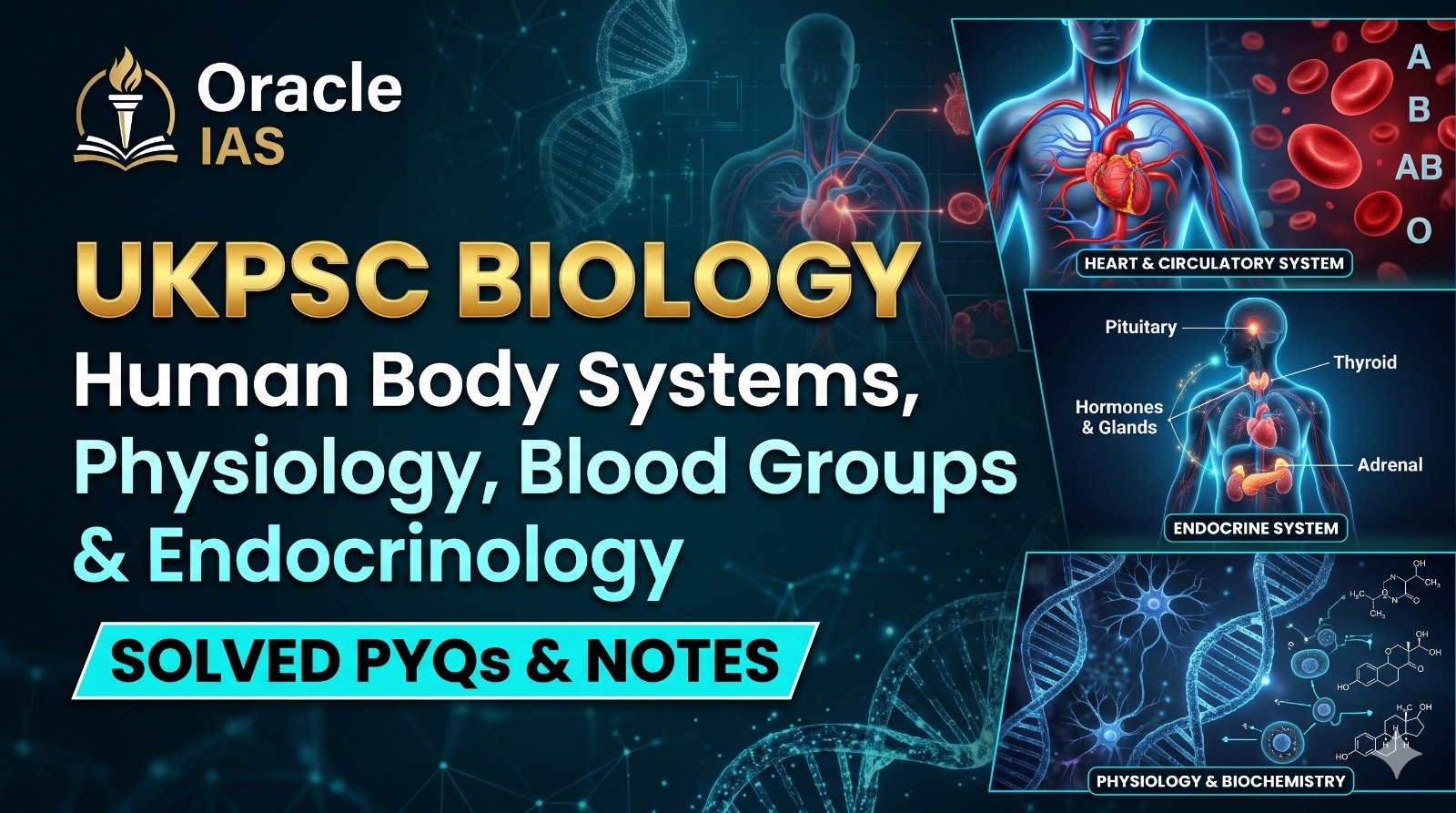
UKPSC Biology (Unit 8): Human Body Systems, Physiology, Blood Groups & Endocrinology
Part of the UKPSC General Science & Technology Revision Series.
1.High-Yield Micro-Notes
- Circulatory Dynamics & Hematology: Normal resting adult blood pressure is 120/80 mm Hg (systolic/diastolic); with advancing biological age, arterial walls (notably the aorta) experience arteriosclerotic stiffening, which generally increases systemic blood pressure. Normal resting cardiac pace averages 72 beats/minute, initiated intrinsically by specialized myogenic pacing tissue in the Sinoatrial (SA) node within the heart itself. In the ABO blood typing system, AB positive individuals are universal recipients (erythrocytes express both A and B surface antigens while blood plasma contains neither anti-A nor anti-B antibodies); O negative individuals are universal donors (erythrocytes lack A, B, and Rh surface antigens). Mature human erythrocytes (RBCs) lack nuclei, survive for approximately 120 days, and are synthesized in adults within the red bone marrow (erythropoiesis); they appear red due to the iron-bearing quaternary protein hemoglobin, which binds oxygen molecules reversibly. White blood cells (WBCs / leukocytes) function as the “soldiers of the body” mediating cellular and humoral immunity.
- Biochemical Homeostasis, Digestion & Excretion: Animal cells store glucose polysaccharides in the form of Glycogen, termed “Animal Starch” due to its branched macromolecular similarity to plant amylopectin. In salivary digestion, salivary amylase (ptyalin) initiates the enzymatic hydrolysis of dietary starch into maltose. In the stomach and small intestine (which spans 6.0 to 7.0 meters across the duodenum, jejunum, and ileum), dietary lipids and triglycerides are emulsified by hepatic bile juice (stored in the gallbladder) and enzymatically hydrolyzed into free fatty acids and glycerol by lipase. Chemically, glycerin (glycerol) is designated as propane-1,2,3-triol (1,2,3-trihydroxypropane). Monounsaturated fatty acids (MUFAs) like Oleic acid contain exactly one carbon-carbon double bond, unlike saturated fatty acids (palmitic, stearic, lauric, and myristic acids). When renal filtration fails, toxic nitrogenous metabolic wastes (urea, creatinine, uric acid) accumulate in systemic circulation, resulting in uremia.
- Endocrinology, Cellular Organelles & Skeletal Anatomy: Insulin is a hypoglycemic peptide hormone synthesized and secreted by the beta cells of the Islets of Langerhans within the endocrine pancreas; its absolute or relative deficiency causes Diabetes mellitus. During lactation and parturition, the posterior pituitary peptide Oxytocin induces muscular contraction of uterine smooth muscles and alveolar mammary myoepithelial cells for milk ejection. The adult human skeleton contains 206 discrete bones, with the smallest bone being the stirrup-shaped Stapes located in the middle ear cavity. The hardest biological substance in the human body is dental enamel (composed of crystalline calcium phosphate / hydroxyapatite). Water constitutes the largest single component of adult human body weight (57% to 60%). During spermiogenesis, the cap-like acrosome of mature spermatozoa is assembled directly from the Golgi apparatus, packing lytic hyaluronidase enzymes for egg penetration.
- Sensory Physiology, Immunology & Clinical Medicine: The retinal neural tunic of the human eye contains specialized photoreceptors: Rods (containing rhodopsin for dim-light, scotopic vision) and Cones (containing photopsins for daylight, photopic color perception). Immunoglobulins (antibodies) are globular glycoprotein molecules composed of two heavy and two light polypeptide chains, synthesized by B-lymphocytes when challenged by foreign antigens. The outermost epithelial protective layer of mammalian skin is the stratified squamous keratinized Epidermis. The lethal venom of the Indian Cobra (Naja naja) is predominantly neurotoxic, blocking postsynaptic nicotinic acetylcholine receptors and causing neuromuscular paralysis and respiratory arrest. In orthopedics, Arthroplasty refers specifically to the surgical reconstruction or total prosthetic replacement of an arthritic joint (such as a hip or knee). Poliomyelitis (Polio) is an acute paralytic viral disease caused by the enterovirus Poliovirus, which attacks anterior horn motor neurons in the spinal cord.
2. Important facts you should know:
| Physiological Entity / Parameter | Anatomical / Biochemical Identity | Core Biological Function / Clinical Significance |
| Sinoatrial (SA) Node | Specialized subepicardial myocardium | Heart’s natural intrinsic primary pacemaker; generates rhythmic cardiac impulses. |
| Blood Group AB | Universal recipient (AB+ phenotype) | RBCs carry A and B antigens; serum lacks anti-A and anti-B antibodies. |
| Blood Group O | Universal donor (O- phenotype) | RBCs lack A, B, and Rh surface antigens; causes no ABO hemolytic transfusion reaction. |
| Enamel | Crystalline Hydroxyapatite | Hardest substance in the human body; non-regenerative acellular dental layer. |
| Stapes (Stirrup) | Middle ear auditory ossicle | Smallest human bone; transmits acoustic vibrations from incus to oval window. |
| Islets of Langerhans (β-cells) | Endocrine micro-organs of pancreas | Synthesizes insulin; dysfunction or autoimmune destruction precipitates diabetes. |
| Oxytocin | Neurohypophysial nonapeptide | “Milk-ejection hormone”; stimulates myoepithelial contraction in mammary glands. |
| Acrosome | Modified Golgi apparatus organelle | Anterior sperm cap containing hydrolytic enzymes (hyaluronidase, acrosin) for fertilization. |
| Oleic Acid | Monounsaturated fatty acid (MUFA) | C18:1 cis-9 aliphatic hydrocarbon chain; major lipid component of olive oil. |
| Cobra Venom | Postsynaptic neurotoxic polypeptide | Blocks neuromuscular junction acetylcholine receptors; induces fatal respiratory paralysis. |
3. Master Questions
Q1. The branched polymeric carbohydrate compound synthesized and stored within mammalian liver and muscle tissues, commonly known as “Animal Starch”, is:
[UKPSC Mains 2010-11] [Direct Fact]
(a) Cellulose
(b) Arabinose
(c) Polypeptide amino acid
(d) Glycogen
Q2. The standard clinical resting blood pressure (systolic and diastolic pressure) of a healthy adult human being is:
[UKPSC Pre 2004-05] [Direct Fact]
(a) 120 mm and 80 mm of Hg
(b) 201 mm and 110 mm of Hg
(c) 90 mm and 60 mm of Hg
(d) 85 mm and 55 mm of Hg
Q3. The primary physiological role of the quaternary metalloprotein Hemoglobin circulating within human erythrocytes is:
[UKPSC Pre 2006-07] [Direct Fact]
(a) Reversible transport of molecular oxygen (O₂) from lungs to tissues
(b) Direct phagocytic destruction of pathogenic bacteria
(c) Systematic excretion of iron ions
(d) Maintenance of vascular blood pressure
Q4. In clinical nephrology, when both biological kidneys fail to filter blood, which toxic substances rapidly accumulate in the human bloodstream to cause uremia?
[UKPSC Pre 2006-07] [Direct Fact]
(a) Triglyceride fats
(b) Structural proteins
(c) Monosaccharide sugars
(d) Nitrogenous waste products (urea, uric acid, creatinine)
Q5. With advancing chronological age in adult human beings, resting arterial blood pressure generally tends to:
[UKPSC Pre 2006-07] [Direct Fact]
(a) Reduce significantly
(b) Increase
(c) Remain permanently unchanged
(d) Fluctuate unpredictably without systemic pattern
Q6. The normal resting cardiac pulse of a healthy adult human being beats at an average rate of:
[UKPSC Pre 2006-07] [Direct Fact]
(a) 60 beats per minute
(b) 78 beats per minute
(c) 120 beats per minute
(d) 72 beats per minute
Q7. In organismal biology, the integrated biochemical triad of Nutrition (diet), Respiration, and Biological Synthesis constitutes the core definition of:
[UKPSC Mains 2002-03] [Direct Fact]
(a) Somatic Growth
(b) Cellular Metabolism
(c) Genetic Reproduction
(d) Ecological Stability
Q8. The rhythmic electrical conduction impulses that coordinate human cardiac muscle contraction originate intrinsically within the:
[UKPSC Mains 2002-03] [Direct Fact]
(a) Medulla oblongata of the Brain
(b) Fluid blood plasma
(c) Specialized nodal tissue of the Heart (SA Node)
(d) Cervical Spinal Cord
Q9. Consider the following statements:
Assertion (A): Individuals possessing the AB blood group are universal recipients capable of receiving red blood cell transfusions from any ABO blood group.
Reason (R): Blood plasma of an AB group individual contains both anti-A and anti-B antibodies.
Choose the correct code:
[UKPSC Mains 2002-03] [Assertion-Reason]
(a) Both (A) and (R) are true, and (R) is the correct explanation of (A)
(b) Both (A) and (R) are true, but (R) is not the correct explanation of (A)
(c) (A) is false, but (R) is true
(d) (A) is true, but (R) is false
Q10. Which human blood group is universally designated as the ‘Universal Donor’ because its erythrocytes lack A and B agglutinogen surface antigens?
[UKPSC Mains 2004-05] [Direct Fact]
(a) Blood Group O
(b) Blood Group AB
(c) Blood Group A
(d) Blood Group B
Q11. The neuroendocrine hormone responsible for stimulating contraction of myoepithelial cells in lactating mammary glands for the milk-ejection reflex is:
[UKPSC Mains 2010-11] [Direct Fact]
(a) Follicle-Stimulating Hormone (FSH)
(b) Estrogen
(c) Oxytocin
(d) Progesterone
Q12. The hardest and most highly mineralized biological substance in the human anatomical frame is:
[UKPSC UDA/LDA Pre 2003] [Direct Fact]
(a) Cortical Bone
(b) Dental Enamel
(c) Dentin
(d) Root Cementum
Q13. In a healthy adult human body, the largest fraction of total body weight is contributed by:
[UKPSC UDA/LDA Pre 2003] [Direct Fact]
(a) The skeleton and bones
(b) Internal visceral organs
(c) Adipose and cutaneous skin tissues
(d) Total Body Water
Q14. The distinctive red coloration of human red blood corpuscles (erythrocytes) is imparted by:
[UKPSC UDA/LDA Pre 2003] [Direct Fact]
(a) Cutin
(b) Chlorophyll
(c) Hemocyanin
(d) Hemoglobin
Q15. The peptide hormone Insulin, essential for regulating systemic glycemic levels, is synthesized and secreted by:
[UKPSC UDA/LDA Pre 2003 | UKPSC APS Mains 2021 | UKPSC APO 2009] [Direct Fact]
(a) Beta cells of the Islets of Langerhans in the Pancreas
(b) Anterior Pituitary gland
(c) Follicular cells of Thyroid gland
(d) Adrenal cortex
Q16. Human saliva initiates the primary enzymatic digestive hydrolysis of which dietary macromolecule in the oral cavity?
[UKPSC RO/ARO Pre 2022] [Direct Fact]
(a) Polypeptide Proteins
(b) Dietary Starch
(c) Insoluble Fibers
(d) Saturated Lipids
Q17. The light-sensitive sensory neural layer of the human eye (retina) contains specialized photoreceptor cells designated as:
[UKPSC RO/ARO Pre 2022] [Direct Fact]
(a) Rods and Cones
(b) Cones and Cerebral Cortex
(c) Rods only
(d) Ganglion Cells and Fovea
Q18. From a biochemical and immunological perspective, all circulating Immunoglobulins (antibodies) are structurally:
[UKPSC FRO/ACF Pre 2021] [Direct Fact]
(a) Glycoproteins / Polypeptide Proteins
(b) Saturated Lipids
(c) Water-soluble Vitamins
(d) Inorganic Mineral salts
Q19. In human skeletal anatomy, the smallest individual bone is the Stapes (stirrup), located within the:
[UKPSC APS Mains 2017] [Direct Fact]
(a) Carpal complex of the Wrist
(b) Metacarpal bones of the Palm
(c) Cartilaginous bridge of the Nose
(d) Middle ear ossicular cavity
Q20. Which of the following fatty acids contains exactly one carbon-carbon double bond, classifying it as a Monounsaturated Fatty Acid (MUFA)?
[UKPSC APS Mains 2021] [Direct Fact]
(a) Lauric acid
(b) Myristic acid
(c) Palmitic acid
(d) Oleic acid
Q21. Which cellular elements circulating in human blood are colloquially termed the “soldiers of the body” due to their active defense against pathogens?
[UKPSC APS Mains 2021] [Direct Fact]
(a) Red Blood Corpuscles (RBCs)
(b) White Blood Corpuscles (WBCs / Leukocytes)
(c) Thrombocyte Blood Platelets
(d) Blood Plasma Albumins
Q22. The lethal biological venom injected through the proteroglyphous fangs of the Indian Cobra (Naja naja) is predominantly:
[UKPSC Pre 2011] [Direct Fact]
(a) Neurotoxic
(b) Hemotoxic
(c) Nephrotoxic only
(d) Musculotrophic only
Q23. In orthopedic clinical surgery, the procedural term ‘Arthroplasty’ refers specifically to:
[UKPSC Pre 2011] [Direct Fact]
(a) Open-heart bypass surgery
(b) Hip or knee joint reconstruction / replacement
(c) Renal transplant surgery
(d) Autologous blood transfusion
Q24. The protective adaptive immune response in the human body is initiated and triggered by foreign molecular structures known as:
[UKPSC RO/ARO Pre 2016] [Direct Fact]
(a) Antigens
(b) Secreted Antibodies
(c) Digestive Enzymes
(d) Endocrine Hormones
Q25. Acute infantile flaccid paralysis characteristic of Poliomyelitis is caused by a/an:
[UKPSC FRO/ACF Pre 2019] [Direct Fact]
(a) Gram-negative Bacterium
(b) Enteric RNA Virus (Poliovirus)
(c) Saprophytic Fungus
(d) Intestinal Protozoan Parasite
Q26. The outermost protective epithelial stratum covering the cutaneous surface of the human body is the:
[UKPSC Combined SES 2021] [Direct Fact]
(a) Epidermis
(b) Dermis
(c) Endodermis
(d) Mesodermis
Q27. In an adult human alimentary tract, the total anatomical length of the small intestine typically spans:
[UKPSC CFO 2021] [Direct Fact]
(a) 7.5 to 8.5 meters
(b) 6.0 to 7.0 meters
(c) 1.5 meters
(d) 3.5 meters
Q28. Chemically, the polyol compound known commercially as Glycerin or Glycerol is systematic IUPAC named as:
[UKPSC Personal Assistant 2019] [Direct Fact]
(a) Propane-1,2,3-triol (1,2,3-trihydroxypropane)
(b) Propane-1,2-diol (1,2-dihydroxypropane)
(c) Propane-1,3-diol (1,3-dihydroxypropane)
(d) Propanoic acid
Q29. In the human gastrointestinal tract, the primary physiological digestive role of hepatic bile juice is:
[UKPSC Personal Assistant 2019] [Direct Fact]
(a) Providing an alkaline medium and emulsifying dietary lipid globules into micro-droplets
(b) Acidifying chime entering from the stomach
(c) Cleaving polysaccharides into disaccharides
(d) Synthesizing dietary amino acids
Q30. In an adult human being, erythropoiesis (the continuous production of red blood corpuscles) occurs physiologically within the:
[UKPSC RO/ARO Mains 2006 | UKPSC AE 2007] [Direct Fact]
(a) Hepatic parenchyma of the Liver
(b) Endocrine adrenal cortex
(c) Red Bone Marrow
(d) Myocardium of the Heart
Q31. The total number of discrete bones constituting the articulated adult human skeleton is:
[UKPSC Pre 2011 | UKPSC APO 2021] [Direct Fact]
(a) 206 bones
(b) 216 bones
(c) 226 bones
(d) 270 bones
Q32. During male gametogenesis (spermiogenesis), the cap-like digestive acrosome covering the anterior nucleus of a mature spermatozoon is synthesized directly from the:
[UKPSC APO 2021] [Direct Fact]
(a) Rough Endoplasmic Reticulum
(b) Outer Plasma Membrane
(c) Condensed Haploid Nucleus
(d) Golgi Apparatus
Q33. In the human small intestine, dietary triglycerides and emulsified fats are enzymatically digested into free fatty acids and glycerol by:
[UKPSC Draftsman 2023] [Direct Fact]
(a) Proteinase
(b) Salivary Amylase
(c) Pancreatic Lipase
(d) Salvin
4. Master Explanations & Answer Key
- Ans. (d)
- Direct Answer: Glycogen is the primary storage polysaccharide in animals and fungi; due to its highly branched glucose polymer structure resembling plant amylopectin, it is universally termed “Animal Starch.”
- Exam Trap / Distractor Alert: Cellulose is a structural plant cell wall polysaccharide that humans cannot digest; glycogen is stored primarily in the liver (maintaining systemic blood glucose) and skeletal muscles (fueling local contractile energy).
- High-Yield Extra Facts: Glycogen synthesis from glucose is termed glycogenesis (stimulated by insulin), while its enzymatic breakdown into free glucose in hepatic cells is termed glycogenolysis (stimulated by glucagon and adrenaline).
- Ans. (a)
- Direct Answer: In clinical medicine, normal resting arterial blood pressure for a healthy adult is standardized at 120/80 mm Hg, where 120 mm Hg represents peak systolic pressure (ventricular contraction) and 80 mm Hg represents baseline diastolic pressure (ventricular relaxation).
- Exam Trap / Distractor Alert: Systolic pressure is always the higher number and diastolic is the lower; sustained readings consistently exceeding 140/90 mm Hg are clinically diagnosed as Stage-1 systemic hypertension.
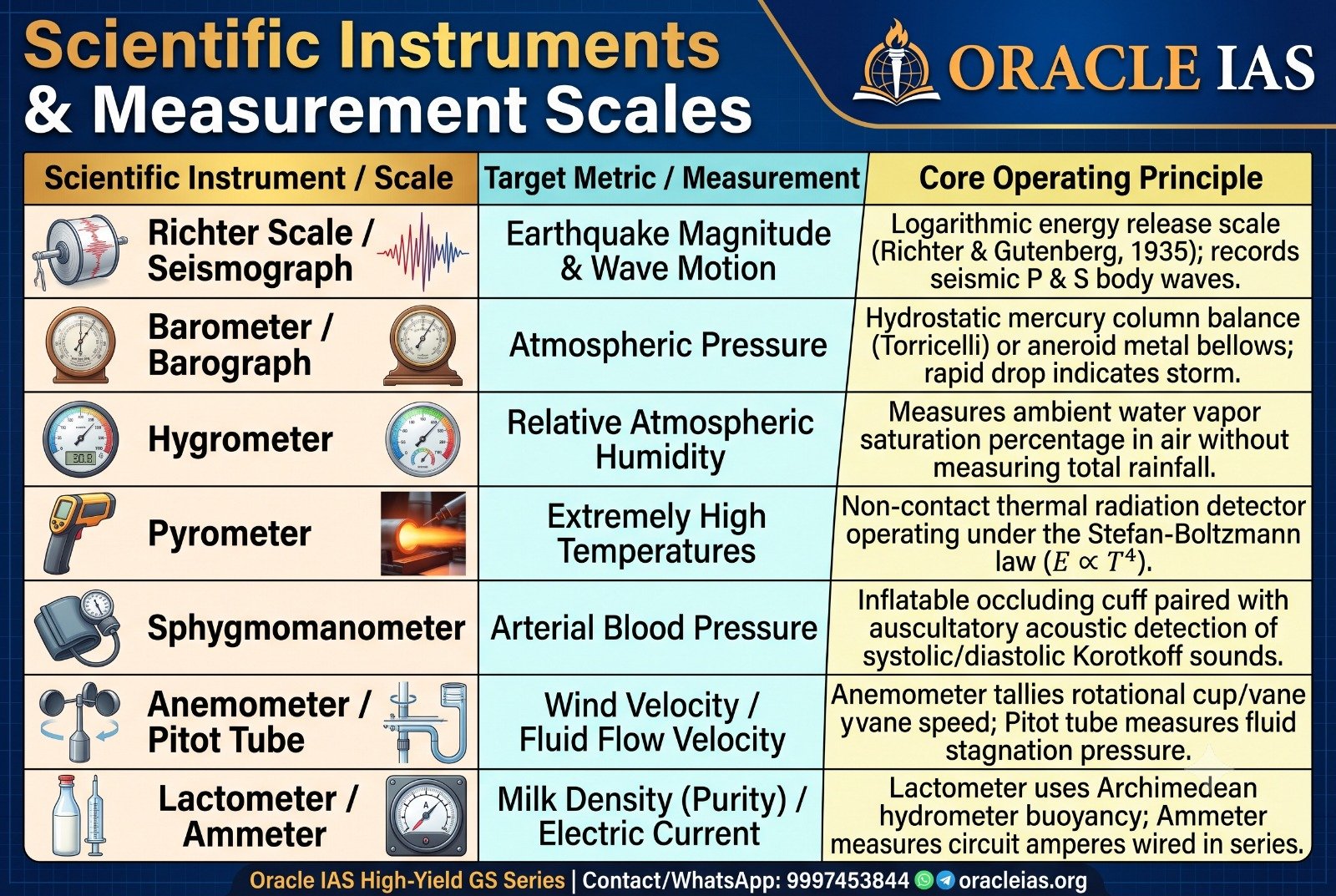
- High-Yield Extra Facts: Blood pressure is measured clinically using a sphygmomanometer paired with a stethoscope to detect arterial Korotkoff sounds over the brachial artery.
- Ans. (a)
- Direct Answer: Hemoglobin is an iron-containing metalloprotein packaged inside red blood cells that binds oxygen reversibly at pulmonary alveolar capillaries to form oxyhemoglobin, transporting O₂ across systemic vascular beds to metabolizing tissues.
- Exam Trap / Distractor Alert: White blood cells (leukocytes) destroy bacteria via phagocytosis and antibody release; hemoglobin does not consume iron, but rather holds iron in its active ferrous (Fe²⁺) state to coordinate oxygen.
- High-Yield Extra Facts: Each hemoglobin molecule is a tetramer of four polypeptide globin chains (two alpha and two beta chains in adult HbA), each surrounding an iron-protoporphyrin IX heme group capable of binding one O₂ molecule (up to four O₂ molecules per hemoglobin tetramer).
- Ans. (d)
- Direct Answer: When renal nephron filtration fails, non-protein nitrogenous waste products—primarily urea, uric acid, and creatinine—accumulate in circulating plasma, leading to the clinical syndrome known as uremia.
- Exam Trap / Distractor Alert: While diabetic nephropathy involves sugar (glucose) spilling into urine, acute or chronic kidney failure itself is defined by the dangerous systemic buildup of nitrogenous wastes and fluid retention.
- High-Yield Extra Facts: Clinical hemodialysis (“artificial kidney”) circulates the patient’s blood across a semipermeable cellophane membrane surrounded by dialyzing fluid, removing nitrogenous wastes via passive concentration gradients.
- Ans. (b)
- Direct Answer: Systemic blood pressure (especially systolic pressure) generally increases with chronological aging due to the progressive loss of arterial elastin, medial calcification, and collagen deposition, which stiffens large conducting arteries (arteriosclerosis).
- Exam Trap / Distractor Alert: Aging does not reduce blood pressure; stiffened arterial walls cannot expand compliant during ventricular ejection, increasing pulse wave velocity and elevating cardiac afterload and systolic pressure.
- High-Yield Extra Facts: Elevated pulse pressure (the difference between systolic and diastolic pressure, Systolic – Diastolic) is a hallmark cardiovascular hemodynamic marker in elderly populations.
- Ans. (d)
- Direct Answer: The resting heart rate of a healthy adult human averages 72 beats per minute, within a normal physiological resting reference window of 60 to 100 beats per minute.
- Exam Trap / Distractor Alert: A resting rate below 60 beats per minute is termed bradycardia (common in trained endurance athletes), while a resting rate exceeding 100 beats per minute is termed tachycardia.
- High-Yield Extra Facts: During each cardiac cycle (lasting approximately 0.8 seconds at 72 bpm), the human heart ejects a stroke volume of roughly 70 mL of blood, producing a baseline resting cardiac output of about 5 liters per minute.
- Ans. (b)
- Direct Answer: Metabolism encompasses the sum total of all biochemical reactions occurring within an organism, integrating nutrient intake (nutrition), oxidative energetic breakdown (catabolism / respiration), and macromolecular assembly (anabolism / synthesis).
- Exam Trap / Distractor Alert: Growth, reproduction, and homeostatic stability are biological consequences driven by continuous underlying cellular metabolism.
- High-Yield Extra Facts: Catabolic pathways (like glycolysis and the Krebs cycle) break down fuel substrates to yield chemical energy (ATP), whereas anabolic pathways consume ATP to synthesize complex lipids, proteins, and nucleic acids.
- Ans. (c)
- Direct Answer: Cardiac electrical action potentials originate intrinsically within the heart itself from specialized auto-rhythmic pacemaker cardiomyocytes situated in the Sinoatrial (SA) Node in the superior wall of the right atrium.
- Exam Trap / Distractor Alert: While autonomic nerves from the brainstem medulla (vagus nerve and sympathetic cardiac nerves) modulate heart rate, the heart is myogenic—it initiates its own contractions independent of external nervous stimulation.
- High-Yield Extra Facts: From the SA node, action potentials travel across atrial muscle to the Atrioventricular (AV) node, propagate down the Bundle of His, and disperse through subendocardial Purkinje fibers to trigger coordinated ventricular contraction.
- Ans. (d)
- Direct Answer: Assertion (A) is true (AB individuals are universal recipients because their erythrocytes carry both A and B antigens), but Reason (R) is false because their blood plasma contains neither anti-A nor anti-B antibodies, allowing them to accept donor blood without agglutination.
- Exam Trap / Distractor Alert: Read antibody and antigen pairings carefully: Type AB has A and B antigens on RBCs and no antibodies in plasma; Type O has no antigens on RBCs and carries both anti-A and anti-B antibodies in plasma.
- High-Yield Extra Facts: Landsteiner’s Law states that if an agglutinogen (antigen) is present on an individual’s RBCs, the corresponding agglutinin (antibody) must be absent from their plasma.
- Ans. (a)
- Direct Answer: Blood Group O (specifically O Rh-negative) is the universal donor because its red blood cells lack both A and B surface agglutinogens, allowing it to be transfused into recipients of any ABO type without triggering immediate hemolytic agglutination.
- Exam Trap / Distractor Alert: AB is the universal recipient; Type O is the universal donor. True universal donation requires Rh-negative blood to avoid anti-D alloimmunization.
- High-Yield Extra Facts: The ABO blood group system was discovered in 1900 by Austrian biologist Karl Landsteiner, who received the 1930 Nobel Prize in Physiology or Medicine.
- Ans. (c)
- Direct Answer: Oxytocin is a nonapeptide neurohormone synthesized in the hypothalamus and released from the posterior pituitary; it stimulates contraction of mammary myoepithelial cells for the milk-ejection (let-down) reflex and induces uterine myometrial contractions during labor.
- Exam Trap / Distractor Alert: Prolactin (secreted by the anterior pituitary) stimulates milk synthesis and secretion within mammary alveoli; Oxytocin mediates milk ejection and release.
- High-Yield Extra Facts: Oxytocin release is stimulated by suckling through a neuroendocrine reflex arc; clinically, synthetic oxytocin (Pitocin) is administered to induce or augment uterine labor contractions.
- Ans. (b)
- Direct Answer: Tooth enamel is the hardest, most mineralized tissue in the human body, composed of roughly 96% inorganic mineral (primarily crystalline calcium hydroxyapatite), 3% water, and 1% organic matrix proteins.
- Exam Trap / Distractor Alert: Bone is vascularized and contains significant flexible collagen (roughly 30–35% organic matrix); enamel is an acellular, non-vascularized structure formed by ameloblasts that does not regenerate once lost.
- High-Yield Extra Facts: Enamel covers the anatomical crown of the tooth; the underlying layer is dentin (softer than enamel, harder than bone), while cementum covers the tooth root surface.
- Ans. (d)
- Direct Answer: Total body water constitutes the largest fraction of human body weight, accounting for approximately 57% to 60% of body weight in average adult males (and 50% to 55% in adult females due to higher adipose mass).
- Exam Trap / Distractor Alert: The human skeleton makes up only about 14% to 15% of total body mass; skeletal muscle makes up roughly 40%, with water acting as the dominant solvent across all intra- and extracellular compartments.
- High-Yield Extra Facts: Approximately two-thirds of total body water is sequestered inside cells as Intracellular Fluid (ICF), with the remaining one-third distributed as Extracellular Fluid (ECF, comprising interstitial fluid and blood plasma).
- Ans. (d)
- Direct Answer: Erythrocytes appear bright red due to the oxygen-binding respiratory pigment hemoglobin, an iron-porphyrin protein complex that reflects red light when oxygenated.
- Exam Trap / Distractor Alert: Hemocyanin is a copper-based, blue respiratory protein found in molluscs (such as octopuses) and crustaceans; cutin is a waxy lipid polymer in plant leaf cuticles.
- High-Yield Extra Facts: When iron in hemoglobin oxidizes to its ferric (Fe³⁺) state, it forms methemoglobin, which cannot bind oxygen and gives blood a dark, brownish hue (methemoglobinemia).
- Ans. (a)
- Direct Answer: Insulin is synthesized and secreted by the beta (β) cells located in the Islets of Langerhans of the endocrine pancreas.
- Exam Trap / Distractor Alert: Alpha (α) cells secrete the counter-regulatory hormone Glucagon; Delta (δ) cells secrete Somatostatin; PP (F) cells secrete Pancreatic Polypeptide.
- High-Yield Extra Facts: Insulin was discovered in 1921 by Frederick Banting and Charles Best in Toronto; its 51-amino-acid primary protein structure was sequenced by Frederick Sanger in 1951.
- Ans. (b)
- Direct Answer: Human saliva contains the digestive enzyme salivary amylase (ptyalin), which hydrolyzes dietary starches (complex polysaccharides) into maltose, isomaltose, and alpha-dextrins within the oral cavity.
- Exam Trap / Distractor Alert: Saliva does not digest proteins; gastric pepsin and pancreatic proteases (trypsin, chymotrypsin) hydrolyze proteins downstream in the stomach and duodenum.
- High-Yield Extra Facts: Salivary amylase operates optimally at an oral pH of 6.7 to 6.8 and is inactivated when it enters the acidic environment of the stomach (pH 1.5–2.0).
- Ans. (a)
- Direct Answer: The neural retina contains two primary classes of photoreceptors: Rods (responsible for peripheral, low-light scotopic night vision) and Cones (responsible for central high-acuity photopic daylight vision and trichromatic color perception).
- Exam Trap / Distractor Alert: Rods contain the visual pigment rhodopsin and do not detect color; cones are concentrated in the central fovea centralis, where visual resolution is highest.
- High-Yield Extra Facts: Nocturnal animals (such as owls and bats) have retinas packed almost entirely with rods, whereas diurnal birds have retinas dominated by cones.
- Ans. (a)
- Direct Answer: Immunoglobulins (antibodies) are heterodimeric gamma-globulin proteins synthesized by activated plasma B-cells, composed of two identical heavy (H) chains and two identical light (L) chains linked by disulfide bonds.
- Exam Trap / Distractor Alert: Antibodies are not lipids, vitamins, or mineral salts; they are proteins with antigen-binding variable (Fab) fragments and effector constant (Fc) fragments.
- High-Yield Extra Facts: The five distinct immunoglobulin classes in humans are IgG (most abundant, crosses the placenta), IgA (secretory antibody in tears, saliva, colostrum), IgM (pentameric, first responder to infection), IgD, and IgE (mediates allergic and antiparasitic responses).
- Ans. (d)
- Direct Answer: The Stapes (stirrup bone) is the smallest bone in the human body (measuring approx. 3 mm × 2.5 mm and weighing 2 to 4 mg), situated within the tympanic cavity of the middle ear.
- Exam Trap / Distractor Alert: The three auditory ossicles in the middle ear are the Malleus (hammer), Incus (anvil), and Stapes (stirrup); the Femur (thigh bone) is the longest, heaviest, and strongest bone in the human body.
- High-Yield Extra Facts: The footplate of the stapes articulates directly with the oval window of the cochlea, transmitting sound vibrations from air into the perilymph fluid of the inner ear.
- Ans. (d)
- Direct Answer: Oleic acid (C₁₈H₃₄O₂, 18:1 cis-9) is a monounsaturated fatty acid (MUFA) possessing a single double bond situated between carbon-9 and carbon-10 along its aliphatic hydrocarbon chain.
- Exam Trap / Distractor Alert: Lauric acid (C12:0), myristic acid (C14:0), and palmitic acid (C16:0) are fully saturated fatty acids with zero carbon-carbon double bonds; Linoleic acid is polyunsaturated (PUFA) with two double bonds.
- High-Yield Extra Facts: Oleic acid is the primary fatty acid component of extra-virgin olive oil, recognized for improving cardiovascular lipid profiles by lowering LDL cholesterol while preserving HDL cholesterol.
- Ans. (b)
- Direct Answer: White blood corpuscles (WBCs / leukocytes) are termed the “soldiers of the human body” because they identify, engulf, and neutralize invading microbial pathogens, toxins, and foreign cellular debris.
- Exam Trap / Distractor Alert: Red blood cells carry respiratory gases, and platelets mediate blood clotting; leukocytes (neutrophils, lymphocytes, monocytes, eosinophils, basophils) provide cellular and humoral immune protection.
- High-Yield Extra Facts: Neutrophils are the most abundant circulating leukocytes (60–65%) and act as early responders during acute bacterial infections; lymphocytes (20–25%) mediate adaptive B-cell and T-cell immunity.
- Ans. (a)
- Direct Answer: Venom of the Indian Cobra (Naja naja, family Elapidae) is predominantly neurotoxic, consisting of low-molecular-weight polypeptides that block postsynaptic nicotinic acetylcholine receptors at skeletal neuromuscular junctions.
- Exam Trap / Distractor Alert: Viper venoms (e.g., Russell’s Viper, family Viperidae) are primarily hemotoxic/vasculotoxic, destroying vascular endothelium and causing systemic hemorrhage and coagulopathy; Cobra bites trigger ascending flaccid paralysis and fatal respiratory arrest.
- High-Yield Extra Facts: Cobra envenomation is treated clinically using polyvalent anti-snake venom (ASV) raised against India’s “Big Four” venomous snakes: Spectacled Cobra, Common Krait, Russell’s Viper, and Saw-scaled Viper.
- Ans. (b)
- Direct Answer: In orthopedic surgery, Arthroplasty is the surgical reconstruction, reshaping, or total prosthetic replacement of an articular joint (most commonly the hip or knee) to relieve pain and restore mechanical mobility.
- Exam Trap / Distractor Alert: Arthroplasty refers specifically to joint replacement or resurfacing, not cardiac bypass grafting (CABG) or renal organ transplantation.
- High-Yield Extra Facts: Advanced joint destruction from degenerative osteoarthritis or rheumatoid arthritis is the primary clinical indication for total hip arthroplasty (THA).
- Ans. (a)
- Direct Answer: An antigen (antibody generator) is any foreign molecular substance—such as viral capsid proteins, bacterial cell wall lipopolysaccharides, or mismatched erythrocyte glycoproteins—that binds to specific immune receptors to trigger an immune response.
- Exam Trap / Distractor Alert: An antibody is the protective immunoglobulin protein synthesized by host plasma cells in response to an antigen; the foreign inducing molecule is the antigen.
- High-Yield Extra Facts: The specific sub-region on an antigen surface recognized and bound by an antibody or T-cell receptor is called an epitope (antigenic determinant).
- Ans. (b)
- Direct Answer: Poliomyelitis is caused by Poliovirus, an enterovirus of the Picornaviridae family (a single-stranded positive-sense RNA virus) transmitted via the fecal-oral route.
- Exam Trap / Distractor Alert: Polio is a viral infection, not a bacterial or protozoan illness; the virus replicates in the pharyngeal and intestinal mucosa before invading the central nervous system.
- High-Yield Extra Facts: Poliovirus attacks the motor neurons of the anterior horn cells in the spinal cord, causing asymmetric flaccid muscle paralysis; India was certified polio-free by the WHO in March 2014 following the Pulse Polio campaign using the oral bivalent Sabin vaccine.
- Ans. (a)
- Direct Answer: The Epidermis is the outermost epithelial protective layer of human skin, derived from embryonic ectoderm and consisting of stratified squamous keratinized epithelium.
- Exam Trap / Distractor Alert: The Dermis lies beneath the epidermis and contains blood vessels, hair follicles, sweat glands, and collagen; Endodermis is an internal root cylinder layer in plants, not human anatomy.
- High-Yield Extra Facts: The deepest stratum of the epidermis (stratum basale) contains melanocytes, which synthesize the pigment melanin that shields cellular DNA from solar ultraviolet radiation.
- Ans. (b)
- Direct Answer: In an adult human being, the small intestine measures approximately 6.0 to 7.0 meters (roughly 20 to 22 feet) in length, spanning from the pyloric sphincter of the stomach to the ileocecal valve.
- Exam Trap / Distractor Alert: The large intestine is wider in diameter but much shorter in length (approx. 1.5 meters); the small intestine provides the primary surface area for chemical digestion and nutrient absorption.
- High-Yield Extra Facts: The small intestine is anatomically divided into the C-shaped Duodenum (approx. 25 cm), the Jejunum (approx. 2.5 m), and the Ileum (approx. 3.5 m).
- Ans. (a)
- Direct Answer: Glycerin (glycerol) is a trihydric alcohol with the molecular formula C₃H₈O₃ and structural formula CH₂OH-CHOH-CH₂OH, systematically designated under IUPAC nomenclature as Propane-1,2,3-triol (1,2,3-trihydroxypropane).
- Exam Trap / Distractor Alert: Propane-1,2-diol is propylene glycol (a dihydric alcohol used as industrial antifreeze); Glycerol contains three hydroxyl (-OH) groups, each bound to a distinct carbon atom along its three-carbon backbone.
- High-Yield Extra Facts: Glycerol forms the structural backbone of all neutral dietary lipids (triglycerides); it is a major byproduct in industrial soap manufacturing via the alkaline saponification of fats with sodium hydroxide.
- Ans. (a)
- Direct Answer: Bile juice (secreted continuously by hepatocytes in the liver) contains bile salts (sodium glycocholate and sodium taurocholate) that break large hydrophobic fat globules into tiny micelles (emulsification of fats) and provide an alkaline pH in the duodenum.
- Exam Trap / Distractor Alert: Bile contains no digestive enzymes; it acts mechanically through detergent emulsification to increase the accessible surface area for pancreatic lipase to cleave lipid bonds.
- High-Yield Extra Facts: Hepatic bile is stored and concentrated up to five- to ten-fold within the gallbladder; it contains the yellow-green bile pigments bilirubin and biliverdin, derived from the breakdown of senescent hemoglobin.
- Ans. (c)
- Direct Answer: In healthy adult humans, red blood corpuscles (erythrocytes) are produced within the red bone marrow located in spongy cancellous bone (including the sternum, ribs, vertebrae, pelvis, and proximal ends of the femur and humerus).
- Exam Trap / Distractor Alert: In early human embryonic development, erythropoiesis occurs first in the yolk sac mesoderm, shifting to the liver and spleen during the second trimester before transitioning permanently to bone marrow prior to birth.
- High-Yield Extra Facts: Red blood cell production is stimulated by the glycoprotein hormone Erythropoietin (EPO), secreted by specialized peritubular interstitial cells in the kidneys in response to systemic hypoxia.
- Ans. (a)
- Direct Answer: The mature adult human skeleton comprises exactly 206 individual articulated bones, divided into the axial skeleton (80 bones: skull, vertebral column, ribs, sternum) and the appendicular skeleton (126 bones: pectoral girdle, pelvic girdle, upper and lower limbs).
- Exam Trap / Distractor Alert: Human infants are born with approximately 270 to 300 discrete cartilaginous and bony elements, which gradually fuse into 206 bones as skeletal maturity is reached (such as sacral and coccygeal vertebrae fusing into the sacrum and coccyx).
- High-Yield Extra Facts: Bones serve as structural levers for movement, protect vital visceral organs, house hematopoietic marrow, and act as a calcium-phosphate mineral reservoir regulated by parathyroid hormone (PTH) and calcitonin.
- Ans. (d)
- Direct Answer: The acrosome is a modified, membrane-bound lysosomal-type organelle capping the anterior half of the sperm nucleus, synthesized directly during spermiogenesis from vesicles derived from the Golgi apparatus.
- Exam Trap / Distractor Alert: The sperm midpiece is packed with mitochondria arranged in a spiral (nebenkern) around the axial filament to supply ATP for motility; the acrosome itself is derived from the Golgi apparatus.
- High-Yield Extra Facts: The acrosome contains hydrolytic enzymes (termed sperm lysins), including hyaluronidase (which digests hyaluronic acid between corona radiata cells) and acrosin (which penetrates the glycoprotein zona pellucida of the ovum during fertilization).
- Ans. (c)
- Direct Answer: Dietary fats and emulsified triglycerides are enzymatically hydrolyzed into free fatty acids, diacylglycerols, and 2-monoacylglycerols primarily by Pancreatic Lipase (steapsin) in the lumen of the small intestine.
- Exam Trap / Distractor Alert: Amylase digests carbohydrates; proteinases (pepsin, trypsin, chymotrypsin) digest peptide bonds in proteins; Lipase digests ester bonds in lipids.
- High-Yield Extra Facts: Pancreatic lipase requires the protein co-factor colipase (also secreted by the exocrine pancreas) to bind to the bile-salt-coated lipid-water interface and execute lipid digestion.
Contact Oracle IAS:
Call/WhatsApp 9997453844 for details
Join Our Preparation program:

He is a bibliophile,accomplished writer and a fitness enthusiast.
- UKPSC Biology: Human Body Systems, Physiology, Blood Groups & Endocrinology (Solved PYQs & Notes) - November 18, 2026
- UKPSC Biology: Plant Morphology, Reproduction, Phytohormones & Physiology (Solved PYQs & Notes) - November 17, 2026
- UKPSC Biology: Animal Kingdom, Piscine Misnomers, Aquatic Mammals & Adaptations (Solved PYQs & Notes) - November 16, 2026